

NEROLI PHASE
Manufacturer: CAPUA 1880
Origin: 62% Natural / 38% Nature-Identical & Aroma Chemicals
DESCRIPTION
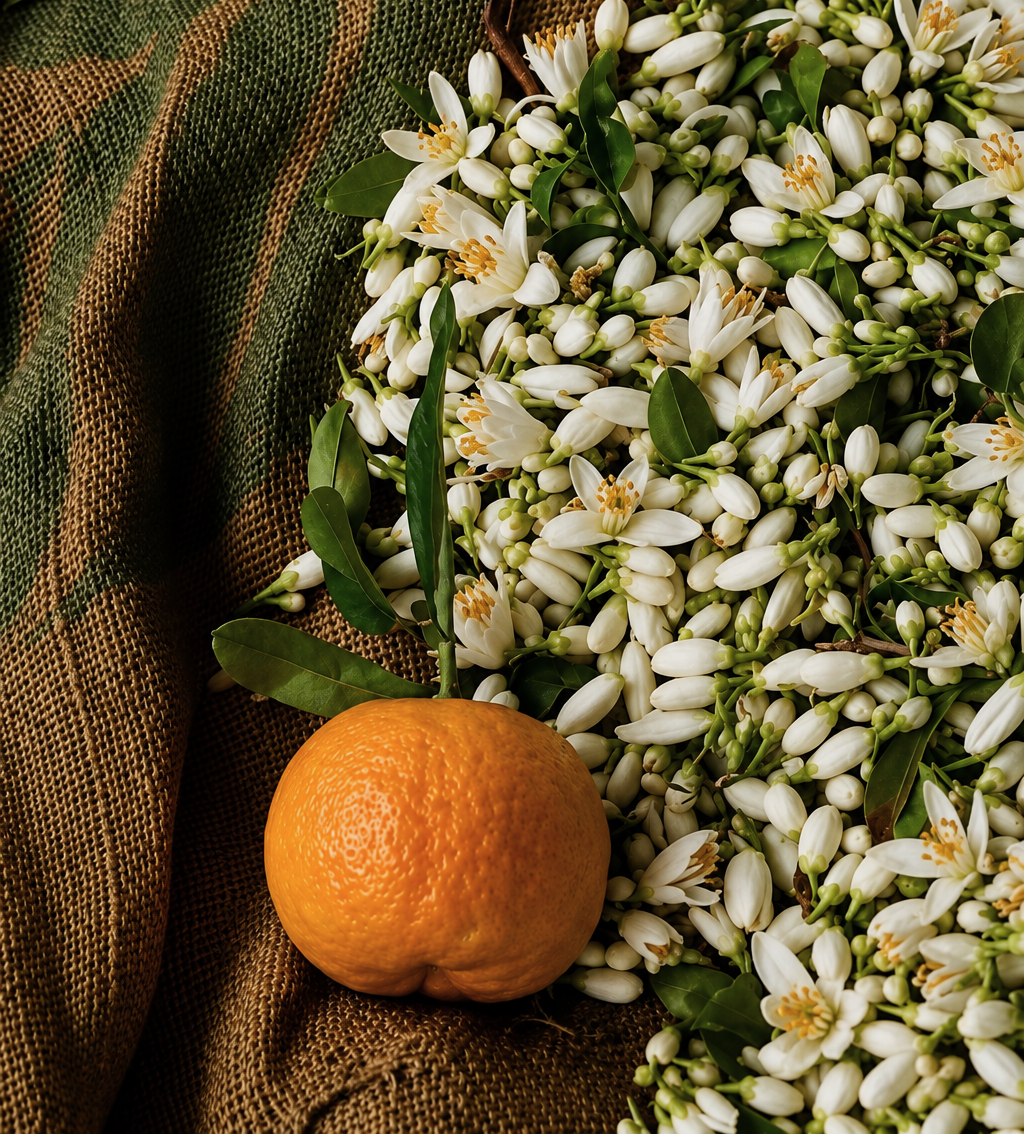
Neroli Phase by CAPUA1880 is a neroli base designed for those seeking the elegance of orange blossom with a cleaner and more stable technical performance. It is not a pure essential oil, but a composition created through distillation from bitter orange (Citrus aurantium), from which the plant’s three most precious expressions are derived: neroli from the flowers, petitgrain from the leaves and twigs, and the peel of the fruit.
Neroli has a fascinating history: the name comes from the Princess of Nerola, Anna Maria de La Trémoille, who made it her signature fragrance at the end of the seventeenth century, sparking a fashion that spread throughout the European courts. Since then, it has become one of the most precious essences in perfumery, a symbol of elegance and purity. Petitgrain is its natural complement: greener, woodier and more bitter, it gives structure to the flower.
Calabria, a historic land of citrus cultivation, is the production context in which CAPUA1880 develops this raw material, combining the region’s citrus-growing tradition with the most modern processing technologies.
The composition involves the co-distillation of bitter orange and petitgrain derivatives (62%) with nature-identical aroma chemicals and aromatic specialties (38%). This carefully selected component completes and reinforces the neroli profile, making it more consistent and reproducible from batch to batch. The product then undergoes molecular evaporation, a treatment that allows partial decolourisation and defurocoumarisation, i.e. the removal of furocoumarins, compounds in citrus essences that are associated with photosensitisation. The result is a lighter, cleaner raw material that is easier to incorporate into formulations.
PERFUMERY
Olfactively, Neroli Phase presents a bright citrus-floral profile, with an almost aquatic freshness. The heart is that of orange blossom: sweet, slightly honeyed, subtly indolic and highly elegant. Surrounding the flower is the green and bitter aspect of petitgrain, which prevents an overly sweet impression and keeps the note crisp and vibrant. Its decolourisation makes it particularly suitable for white or transparent products, where the colour of the essence could alter the final appearance, while defurocoumarisation makes it more suitable for products intended for application to skin exposed to light.
In the olfactory pyramid, it sits between top and heart. It has greater substantivity than expressed citrus oils, while remaining a highly transparent note that acts as a bridge between citrus freshness and the floral body.
In colognes and hesperidic compositions, it forms an ideal heart: combined with bergamot, lemon, mandarin and lavender, it creates classic, elegant and timeless fresh waters. In floral and white-floral compositions, it brings luminosity to jasmine, tuberose, orange blossom, ylang-ylang and gardenia, adding freshness without sacrificing softness.
In fougère compositions, it refines the transition between lavender and oakmoss, while in chypre compositions it adds a touch of lightness that balances the depth of labdanum and patchouli. In musky and cottony accords, combined with white musks and Ambrox Super, it evokes fresh laundry, clean skin and light. In fresh spicy compositions, it pairs with cardamom, pink pepper and ginger, while in woody compositions (cedar, vetiver, sandalwood) it brings an airy and luminous dimension.
Olfactory family: Floral
Olfactory pyramid: Top-heart note
COSMETICS
In cosmetic formulation, Neroli Phase is the simplest way to give a product a clean and refined floral identity. Its fragrance is immediately recognisable and evokes delicacy, freshness and care: precisely what customers expect from a premium cream, cleanser or body oil.
Being decolourised, it does not weigh down the base and preserves the appearance of transparent gels, fragranced waters, clear lotions and gentle cleansers, where a coloured essence could affect the appearance of the formula. It works particularly well in body and hand products, bath foams and soaps, hair care products and creams, where it provides a fresh opening that develops into a soft and floral drydown.
In candles and home fragrances, it fills the space with a luminous, clean and reassuring trail.