

KEPHALIS
Manufacturer: GIVAUDAN
INCI Name: Kephalis
Synonyms: Woody Cyclohexanone
Origin: Aromatic synthesis
DESCRIPTION
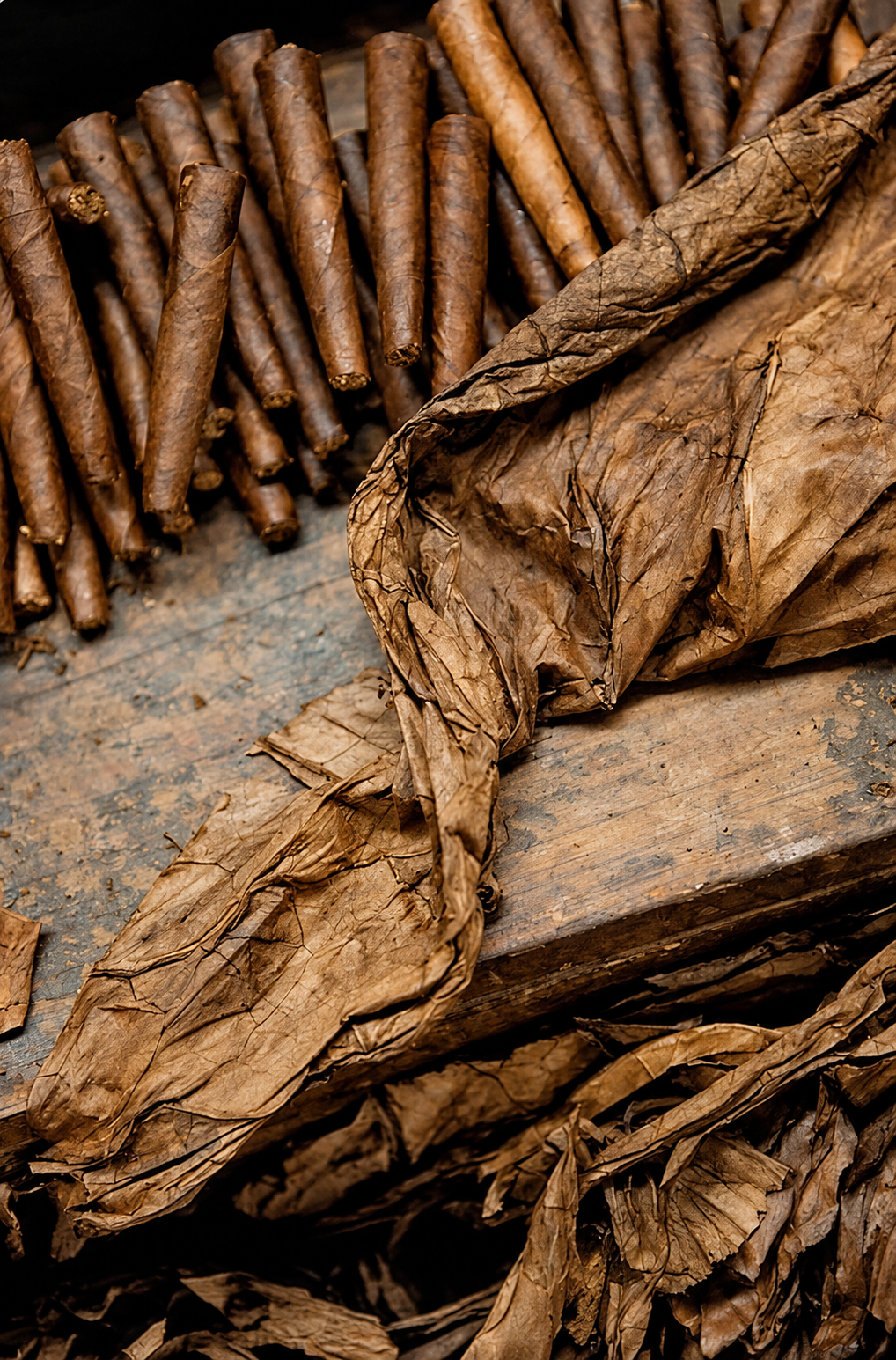
Kephalis, produced by Givaudan, is a reference fragrance molecule in modern perfumery, characterised by a rich, warm, woody-ambery profile with distinctive tobacco facets. Givaudan describes it as a particularly versatile ingredient, capable of working in both the heart and base of a composition and integrating well with floral, ambery, woody, tobacco, and masculine structures.
Its character develops around a warm, dry woody note, enriched by a soft ambery component and nuances reminiscent of dry tobacco leaf. Depending on the structure in which it is incorporated, subtle aromatic, spicy, and leathery facets may also emerge, contributing to its depth.
Kephalis is therefore not simply a woody note: its particular combination of wood, amber, and tobacco allows it to give a composition greater body and character while maintaining good diffusion and remarkable persistence.
The molecule has a blotter substantivity indicated by Givaudan of up to approximately 3 days, confirming its particular interest in heart and base structures. The manufacturer also indicates a suggested usage level of 1–8%, which should naturally be adapted to the structure of the formula and the desired effect.
PERFUMERY
In perfumery, Kephalis has a particularly broad application in the construction of woody, ambery, tobacco, leathery, and oriental accords. One of the most interesting aspects of Kephalis is its ability to connect different olfactory families. Its versatility becomes especially apparent when it is used to create transitions between heart and base. It can accompany a floral structure towards a woody base or make an ambery base more complex.
In woody accords, it can be used to add greater depth to Cedarwood, Vetiver, Patchouli, and modern woody materials. Its ambery component makes the base warmer and more voluminous, while its tobacco facet adds complexity.
In amber accords, it creates a more structured and woody interpretation of amber, particularly when combined with Labdanum, Benzoin, Vanilla, Tonka, Ambrox, and other ambery materials.
It is particularly interesting in the construction of tobacco accords, where it can evoke the dry, woody dimension of tobacco leaf without relying exclusively on natural materials. It can be combined with tobacco molecules, leathery notes, honey, hay, cocoa, vanilla, and spices.
In leather accords, Kephalis contributes to the construction of a warm, dry base, creating a natural connection between wood, amber, and leather.
It is also highly useful in fougère accords, especially when combined with Lavender, Coumarin, Geranium, musks, and woods. In this context, it allows the base to become warmer and more contemporary.
In floral compositions, its use may seem less intuitive, but this is precisely where one of the molecule's most interesting characteristics emerges: small amounts can provide a supporting base structure without necessarily making the tobacco facet dominant. With Rose, Jasmine, Violet, and Lavender, it can create elegant contrasts between the luminosity of the flower and the depth of the woody-ambery base. Givaudan explicitly indicates these combinations among the material's applications.
Kephalis is also interesting in oud compositions, where it can contribute to the dark, ambery woody dimension of the accord, particularly when combined with Patchouli, Cypriol, Labdanum, Safranal, Cashmeran, and other woody materials.
Finally, Kephalis can be used not only as a recognisable note, but also as a structural material. In a formula, it can contribute to increasing the body, depth, and persistence of the base, creating a foundation upon which more complex accords can be built.
Olfactory family: Woody
Olfactory pyramid: Base note
COSMETICS
In cosmetics, Kephalis is primarily used as a fragrance ingredient to impart a woody, ambery, tobacco-like, and warm character.
It is particularly suitable for body creams, lotions, cleansers, shampoos, conditioners, soaps, and other fragranced cosmetic bases, especially when a sophisticated and long-lasting olfactory signature is desired.
Its good stability in various personal care bases further broadens its formulation potential. Givaudan reports, for example, good performance in products such as shampoos, soaps, liquid cleansers, and fabric softeners, while stability should always be evaluated according to the specific matrix and formulation conditions.
Its ability to connect wood and amber also makes it possible to create more complex cosmetic profiles than simple woody fragrances, particularly when combined with musks, vanilla, amber, and floral materials.