

Geosmin
Manufacturer: IFF
INCI Name: Octahydro-Dimethyl-4alpha-Naphthol
Synonyms: Petrichor molecule
Origin: Aromatic synthesis
DESCRIPTION
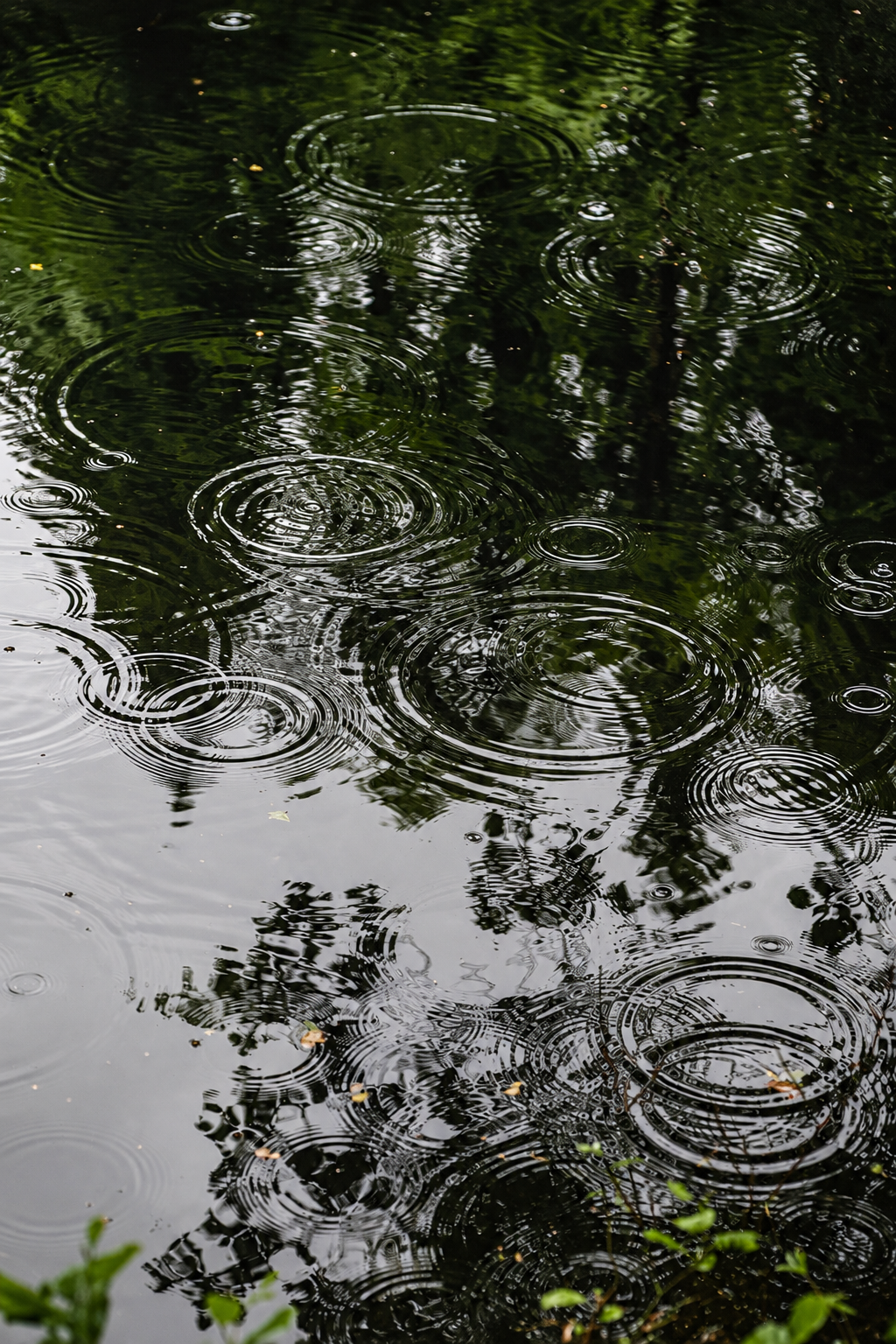
Geosmin is the molecule our nose recognises as the smell of wet earth, the scent that rises from the soil with the first drops of rain after a period of drought. Its name derives from the Greek ge (earth) and osme (smell), and chemically it is a bicyclic terpenoid alcohol, trans-1,10-dimethyl-trans-9-decalol (CAS 19700-21-1). It was isolated in the mid-1960s and occurs naturally, produced by soil bacteria (actinomycetes of the genus Streptomyces) and certain cyanobacteria. It is also responsible for the characteristic earthy taste of beetroot and for certain earthy notes found in mushrooms, tubers and some wines.
Its most extraordinary characteristic is its potency: the human sense of smell can detect it at concentrations of just a few parts per trillion, one of the lowest known thresholds for an organic compound. It is thought that our sensitivity to this odour may be an ancient evolutionary legacy linked to the search for water. In perfumery, this characteristic has a precise practical value: only traces are needed to produce a perceptible effect.
Geosmin IFF is a synthetic aroma chemical, designed to give perfumers a reproducible and reliable way of introducing this character into compositions, an ingredient which cannot be extracted from any plant in useful quantities in nature.
Also available in 1% and 10% dilution in DPG for professional use in perfumery.
PERFUMERY
On its own, it is almost unpleasant to smell: earthy, damp and slightly musty, with a cellar-like and rooty side. Its value lies in the fact that, at infinitesimal doses, this character transforms and becomes realism. It does not add a recognisable perfume in itself, but changes the perception of everything around it, giving the composition a dimension of living matter: earth, stone, undergrowth and asphalt after a storm.
Its best-known use is in the construction of petrichor accords, where it is combined with ozonic and aquatic notes, fresh aldehydes and clean musks to recreate the air before and after rain. In green compositions (galbanum, violet leaf), it makes grass feel wetter and roots more alive. In woody and chypre compositions, it reinforces vetiver, patchouli and oakmoss, accentuating the earthy and undergrowth facets, while in orris and root notes it lends authenticity to the powdery and mineral aspects. It can also be surprising in gourmand compositions, where with cocoa or coffee it creates contemporary earthy and edible accords, and in ambery compositions, where it adds an unexpected touch of darkness.
It should be used according to the logic of homeopathic dosing: the working scale is ppm, and the optimal effect is often achieved just below the threshold at which the note becomes recognisable in itself. For this reason, it is advisable to work with dedicated dilutions (for example, 1% and 0.1% in a suitable solvent such as DPG) and proceed through gradual trials. Excessive use turns the effect into a musty odour and disrupts the balance.
Olfactory family: Earthy
Olfactory pyramid: Base note
COSMETICS
In cosmetics, Geosmin works as a detail of authenticity. Its contribution is to give a fragrance that earthy and mineral touch that can make even the most constructed compositions feel natural, an impression that consumers immediately associate with earth, clay, rain and gardens.
It is well suited to products that evoke a natural or mineral origin: clay masks, detox products, soaps and cleansers with a botanical character, lines inspired by vegetable gardens, woods and forests, as well as candles and home fragrances themed around rain, earth or gardens. It is also useful for adding depth to green and fresh fragrances intended for shower gels, shampoos and fragranced waters, always at minimal dosages.
From a technical standpoint, several aspects should be taken into account. As with all ingredients of this type, finished-product dosages are extremely low and are normally introduced through the pre-composed fragrance rather than added directly to the base.